

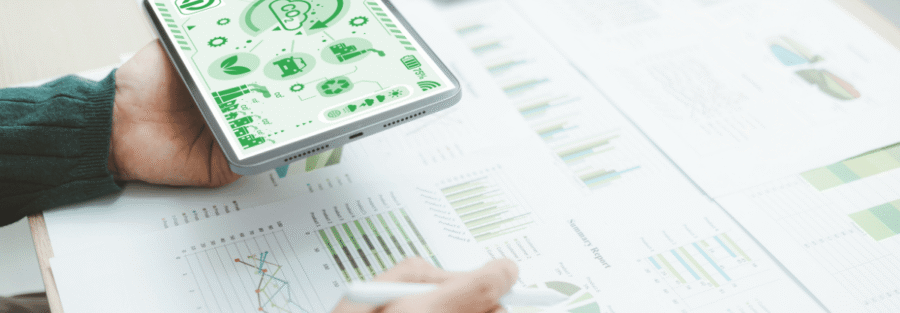
Sustainable development is no longer just an academic concept—it is a global necessity that demands practical, evidence-based solutions. While theories provide frameworks to understand economic, social, and environmental challenges, their true value lies in how effectively they are applied in real-world contexts. Research plays a critical role in this process by transforming abstract ideas into actionable strategies that can address pressing issues such as poverty, inequality, climate change, and public health.
Bridging the gap between theory and practice requires interdisciplinary collaboration and a commitment to innovation. Researchers must go beyond traditional academic boundaries and engage with communities, policymakers, and industry experts to ensure their findings are relevant and impactful. Field-based studies, data-driven analysis, and experimental approaches help validate theories and adapt them to local contexts, making development initiatives more effective and sustainable.
Moreover, research-driven development fosters informed decision-making. Governments and organizations increasingly rely on empirical evidence to design policies and implement programs that deliver measurable outcomes. By integrating research with extension activities, education, and outreach, institutions can ensure that knowledge reaches the grassroots level, empowering individuals and communities with the tools and skills needed for long-term progress.
“Research is creating new knowledge.”Neil Armstrong
In today’s rapidly evolving world, sustainable development depends on our ability to connect knowledge with action. When research is aligned with real-world needs, it becomes a powerful catalyst for change—driving innovation, enhancing resilience, and promoting inclusive growth. The future of development lies in this synergy between theory and practice, where ideas are not just studied but actively used to build a better world.

1 Comment
A WordPress Commenter
The explanation connects well with how traders actually approach the market.
Biweekly Mortgage Calculator